Why Getting a Massage Benefits You: Revealing the Perks of Going to a Thai Spa
The perks of attending a Thai spa go beyond just relaxation. Thai massage merges ancient practices with a concentration on both physical and mental wellness. It addresses pain, enhances flexibility, and promotes better circulation. Additionally, the tranquil environment encourages mindfulness, which can be essential in today's hectic world. Understanding these benefits reveals why read the full story prioritizing self-care is essential for overall well-being. What else might one discover about the transformative potential of a massage?
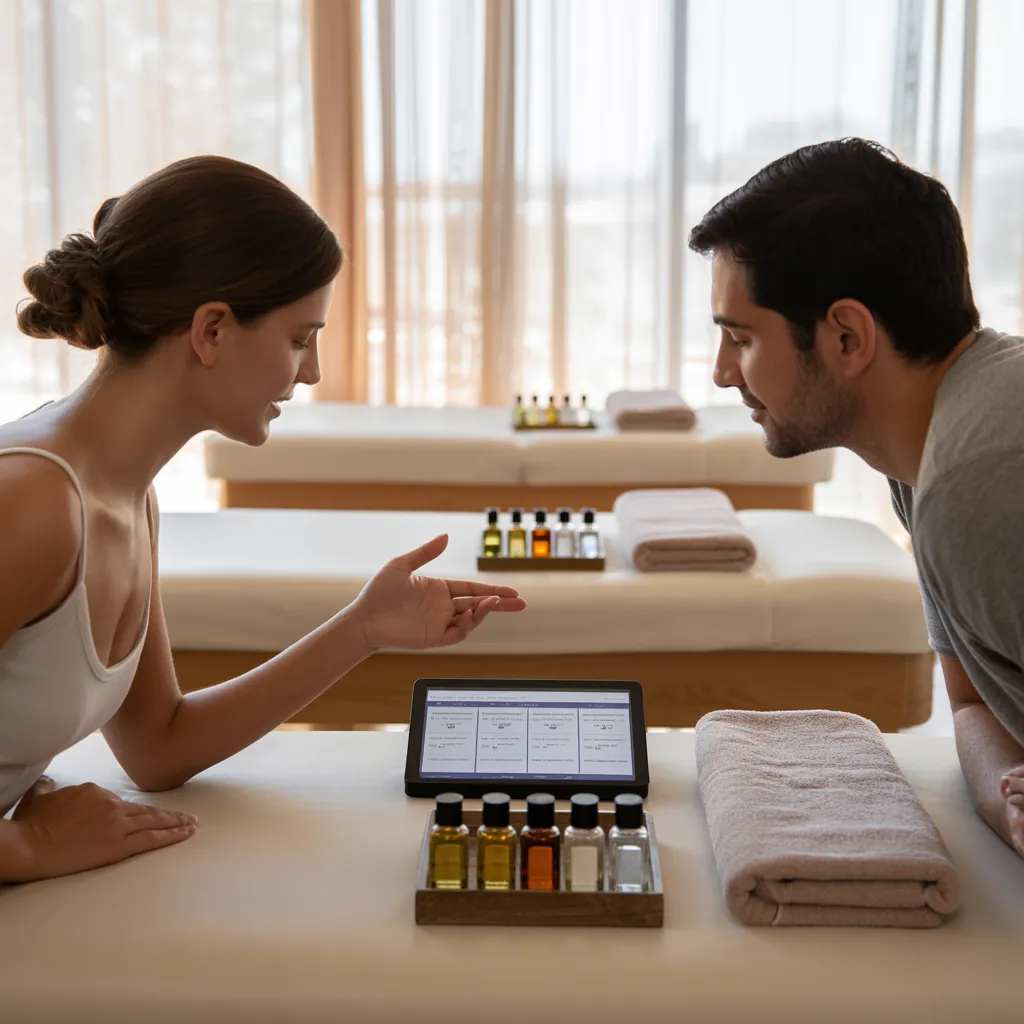
The Origins of Thai Massage: A Journey Through Time
Though the particular origins of Thai massage remain relatively elusive, it is broadly believed to have beginnings in ancient Indian healing traditions, particularly those of Ayurveda and traditional yoga. This form of massage likely emerged around the 3rd century BCE, when Buddhist monks migrated from India to Thailand, sharing their knowledge of therapeutic practices. Over time, these principles merged with local traditions and beliefs, creating a unique therapeutic practice.
As Thai massage evolved, it integrated elements of acupressure, stretching, and energy line theory, referred to as "Sen" lines. Practitioners started to see the body as a network of energy pathways, focusing on balance and harmony. By the fourteenth century, Thai massage evolved into an integral part of Thai culture, often practiced in temples and utilized to treat ailments within communities. Currently, its profound historical tapestry and spiritual significance keep attracting individuals seeking an authentic and holistic healing experience.
Physical Advantages: Reducing Tension and Pain
Thai massage presents considerable physical advantages, specifically in reducing aches and stress throughout the body. This time-honored practice uses a combination of stretching, acupressure, and rhythmic compression to address particular muscle areas. As practitioners manipulate the body, they increase blood flow, which increases circulation and facilitates healing in sore areas. Countless individuals find relief from ongoing pain, muscle stiffness, and articular discomfort after a session.
Additionally, the deep stretching approaches employed in Thai massage help to enhance flexibility and improve overall range of motion. This can be particularly advantageous for those with sedentary lifestyles or repetitive strain injuries. The therapeutic practice not only addresses immediate discomfort but also contributes to long-term physical health by promoting proper posture and alignment. In general, the physical gains of Thai massage make it an valuable option for anyone aiming to ease pain and tension, bringing about improved mobility and comfort in daily activities.
Mental Wellness: Decreasing Anxiety and Stress
The benefits of massage at a Thai spa go beyond physical relief, significantly impacting mental wellness. Techniques focused on stress relief, combined with mindfulness practices, encourage relaxation and aid in reducing anxiety. This holistic approach enables individuals to attain a calmer state of mind, enhancing overall emotional health.
Methods for Managing Stress
When looking for proven stress relief approaches, many people seek out the relaxing environment of a spa, where ancient practices blend with modern wellness methods. Thai spas, especially, deliver a variety of treatments created to ease stress and promote relaxation. Traditional Thai massage integrates deep tissue manipulation and stretching, focusing on tension points and boosting circulation. Aromatherapy, employing essential oils, intensifies the calming effects, involving the senses while fostering emotional balance. Furthermore, herbal compresses can offer localized relief while calming the mind. The calm ambiance of a spa, enhanced by soft music and serene visuals, amplifies these techniques, permitting visitors to release their stress. Finally, these stress relief approaches add meaningfully to mental wellness and overall well-being.
Mindfulness and Serenity
Embracing mindfulness can substantially improve relaxation and mental wellness, complementing the benefits gained from stress relief techniques. Thai spas commonly include mindfulness practices into their services, guiding clients to focus on the present moment. This approach not only fosters a sense of calm but also works to reduce stress and anxiety. Through techniques such as deep breathing and body awareness, individuals can nurture a deeper connection with their inner selves, leading to improved emotional resilience. The tranquil environment of a Thai spa moreover supports this journey toward mindfulness, providing a peaceful backdrop for reflection and relaxation. By incorporating mindfulness into their experience, clients can depart from a Thai spa not only rejuvenated physically but also mentally restored and balanced.

Enhancing Flexibility: The Discipline of Stretching
In the domain of Thai massage, enhancing flexibility is a essential aspect that contributes to overall wellness. Practitioners utilize specific techniques intended to stretch and relax the body, encouraging greater range of motion. Over time, these methods can result in significant long-term improvements in flexibility, enhancing both physical performance and daily activities.
Perks of Enhanced Flexibility
Increased flexibility, frequently gained through the art of stretching, plays an important role in complete physical health. It promotes increased range of motion in muscular and joint systems, which can contribute to better performance in routine activities and physical training. Increased flexibility decreases the risk of injuries by permitting the body to adapt to multiple movements without strain. Furthermore, it fosters better posture, easing discomfort due to muscle tightness. The benefits reach mental health as well; increased flexibility can decrease stress and improve relaxation, fostering a sense of peace. Regular stretching practices, such as those practiced in Thai spas, can greatly elevate one's quality of life, making flexibility a crucial component of holistic wellness.
Methods Utilized in Thai Massage
Thai massage utilizes a range of approaches that emphasize stretching to enhance flexibility and support holistic health. One core aspect is the use of passive stretching, where the therapist directs the client into various positions to lengthen muscles and relieve tension. This approach often employs the therapist's body weight, enabling deeper stretches without undue strain. Moreover, rhythmic compressions and acupressure points are integrated, stimulating energy flow while conditioning the body for more comprehensive stretching. The incorporation of gentle rocking motions further helps in releasing tight areas, increasing mobility. By integrating these approaches, Thai massage not only enhances flexibility but also fosters a profound sense of relaxation, making it a integrated approach to overall health and wellness.
Sustained Movement Gains
Long-lasting flexibility gains can be achieved through regular practice of stretching techniques, which are essential to the philosophy of Thai massage. This ancient practice emphasizes dynamic stretches that enhance range of motion and promote overall physical health. Regular sessions at a Thai spa not only help release muscular tension but also cultivate a deeper awareness of body mechanics. As individuals engage in these stretching routines, they may experience gradual increases in flexibility, making everyday movements smoother and more fluid. Additionally, improved flexibility can result in reduced risk of injury, enhanced athletic performance, and better posture. Thai massage therefore serves as a holistic approach, blending the benefits of relaxation with the art of stretching to foster long-lasting flexibility.
Increasing Circulation: A Path to Superior Health
While countless people pursue the soothing relief of a massage at a Thai spa, they might not understand that one of its significant benefits is the enhancement of circulation. Enhanced blood flow is crucial for general health, as it aids the delivery of oxygen and nutrients to vital organs and tissues. Thai massage practices, which often include stretching and rhythmic pressure, encourage blood vessels and enhance vascular health.
Once circulation gets better, people may experience reduced muscle tension and quicker recovery from physical exertion. Improved circulation can also bring about a boost in energy levels and enhanced immune function. Furthermore, better blood flow helps with the removal of toxins from the body, contributing to overall wellness. Regular visits to a Thai spa can function as a proactive approach to maintaining healthy circulation, ultimately promoting a more vibrant and resilient lifestyle. Adopting this benefit can make a meaningful difference in one's health journey.
Awareness and Calm: Finding Inner Peace
As guests immerse themselves in the tranquil atmosphere of a Thai spa, they often realize that the journey transcends physical relaxation, creating profound mindfulness and inner peace. The calming ambiance, enhanced by calming aromas and gentle sounds, creates an atmosphere favorable for mental clarity. Clients are encouraged to focus on their breath, promoting a deep sense of presence that calms the chaotic thoughts of daily life.
The skilled therapists utilize ancient techniques that not only relieve tension but also invite a meditative state. This combination of massage and mindfulness fosters self-awareness, enabling individuals to reconnect with their inner selves. The act of letting go—both physically and mentally—promotes a journey into relaxation, where stress dissolves and emotional balance is restored. Finally, a visit to a Thai spa becomes not just a physical indulgence but a transformative experience that revitalizes the mind, body, and spirit.
Putting Self-Care First: Embracing Your Wellness
Understanding the significance of self-care is vital for complete well-being, specifically in today's quick-moving world. Many people often place priority on work and responsibilities over individual health, disregarding their mental and physical needs. Practicing self-care involves acknowledging these needs and making intentional choices to nurture oneself.
Visiting a Thai spa may be a transformative experience, providing a refuge for relaxation and rejuvenation. The ancient techniques utilized in Thai massage do more than alleviate physical tension but also promote mental clarity and emotional balance. By incorporating such practices into your routine, individuals nurture a deeper connection with their own wellness.
Establishing self-care a priority allows individuals to recharge, improving productivity and fostering resistance against stressors. In the end, adopting self-care is not a luxury; it is a crucial component of a balanced lifestyle. By devoting time to oneself, individuals can enhance their overall quality of life and more effectively support those around them.
Popular Questions
What Should I Wear During a Thai Massage Session?
For a Thai massage session, loose-fitting, comfortable clothing is recommended. Several spas furnish traditional attire, such as cotton shorts and shirts, providing mobility freedom. Steer clear of tight or restrictive garments to enhance relaxation during the treatment.
How Long Does a Typical Thai Massage Last?
An average Thai massage takes between 60 to 120 minutes. The length often depends on individual preferences and the particular techniques applied, allowing clients to experience varying levels of relaxation and rejuvenation throughout the session.
Are There Medical Conditions That Contraindicate Thai Massage?
Particular health conditions, including severe osteoporosis, fractures, skin infections, or cardiovascular problems, contraindicate Thai massage. People with these conditions should consult healthcare professionals for customized advice before seeking any massage therapy.
May I Ask for Particular Areas to Be Focused on During My Massage?
Yes, clients can request specific areas for focus during their Thai massage. Discussing preferences to the therapist provides a personalized experience, permitting targeted relief and enhanced satisfaction within the session, adapted to individual needs.
How Frequently Should You Schedule Thai Spa Appointments for Best Results?
Going to a Thai spa one time every two to four weeks is recommended for optimal results. This frequency enables the body to recover while maintaining regular relaxation and rejuvenation, improving overall well-being and stress relief.